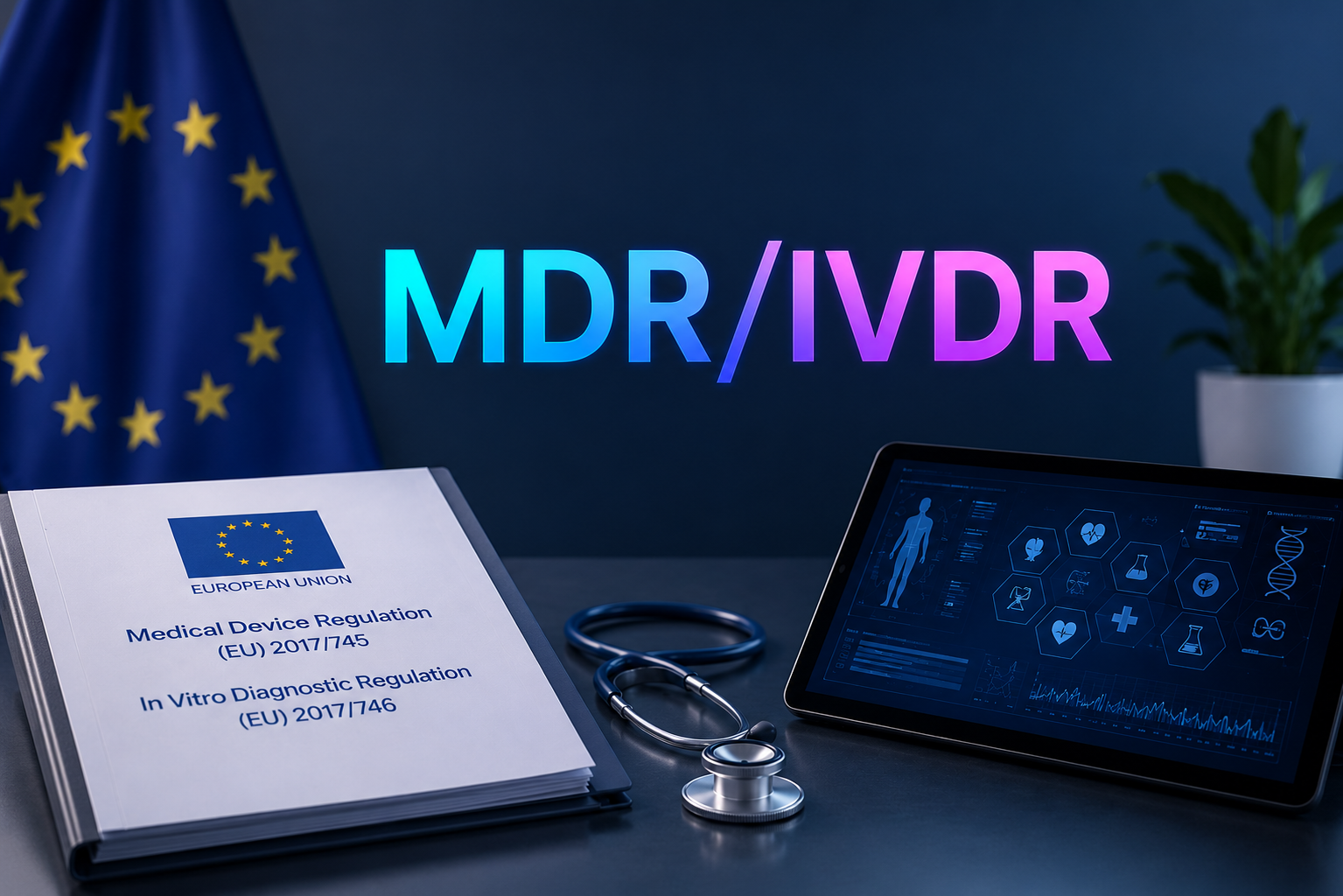


EUDAMED is Now Available for Mandatory Use
As of 28 May 2026, EUDAMED has entered a new phase. Following the European Commission’s phased rollout, manufacturer registration of new devices in EUDAMED is now mandatory for applicable medical devices placed on the European market.
For manufacturers, this marks the transition from preparing for EUDAMED to operating under it. Organizations that have not yet implemented their EUDAMED submission processes now face increased regulatory pressure, while those that have already deployed their solution must ensure they can support ongoing submissions, updates, and data quality requirements efficiently.
The question is no longer whether organizations need to submit to EUDAMED, but whether their submission processes are sustainable as regulatory obligations continue to expand.
What Changed on 28 May 2026?
From 28 May 2026, manufacturers are required to register applicable new medical devices through the mandatory EUDAMED modules that are now operational.
This milestone represents one of the most significant changes to European medical device regulatory reporting since the introduction of the MDR.
Manufacturers must now:
- Register devices within EUDAMED
- Maintain accurate UDI and device information
- Submit updates when product information changes
- Manage regulatory data throughout the product lifecycle
- Maintain submission records and regulatory traceability
For many organizations, this introduces an ongoing operational process rather than a one-time compliance project.
This Is Only the Beginning of the EUDAMED Journey
While 28 May 2026 is a major milestone, additional compliance deadlines are still ahead.
Manufacturers should already be preparing for:
| Milestone | Timeline |
|---|---|
| Mandatory registration of applicable new devices | 28 May 2026 |
| Transition of legacy devices into EUDAMED | 28 November 2026 |
| Upload of applicable certificates | 28 May 2027 |
Organizations that treat EUDAMED as a one-off implementation may struggle to keep pace as these additional obligations come into effect.
Why Manual Processes Become Increasingly Difficult
Some manufacturers initially addressed EUDAMED submission requirements via manual data preparation and submission methods via the EUDAMED portal or XML bulk upload.
While these approaches may work for limited product portfolios, they become increasingly difficult for organizations who must:
- Maintain thousands of device records
- Aggregate data from ERP, PLM, PIM, MDM, and regulatory systems
- Track frequent product updates
- Correct data validation errors
- Monitor submission acknowledgements
- Support multiple regulatory teams across regions
As product portfolios grow, manual processes often lead to duplicate effort, inconsistent UDI data, delayed submissions, and increased compliance risk.
EUDAMED Compliance Depends on Trusted Product Data
One of the biggest lessons manufacturers have learned is that successful submissions begin long before data reaches EUDAMED.
Poor product data quality often results in:
- Missing mandatory attributes
- Invalid code values
- Inconsistent UDI information
- Incorrect relationships between products
- Submission failures requiring rework
Organizations with strong product data governance are typically able to respond more quickly to regulatory changes while reducing operational overhead.
Automation Is Becoming a Competitive Advantage
Manufacturers are increasingly moving beyond manual portal submissions by automating their UDI data management and submission processes.
Modern and reliable UDI submission solutions help organizations:
- Integrate with existing enterprise systems
- Validate data before submission
- Apply the latest EUDAMED business rules
- Automate machine-to-machine (M2M) submissions
- Track submission status and acknowledgements
- Maintain complete audit trails
- Reduce manual effort across regulatory operations
Rather than replacing existing product data systems, these solutions extend them with UDI-specific data validation, transformation, and submission capabilities.
Compliance Doesn’t Stop After Go-Live
Achieving initial compliance is only one part of the journey. Manufacturers must also establish repeatable processes that support:
- New product introductions
- Product updates and corrections
- Regulatory changes
- Business rule updates
- Internal governance workflows
- Ongoing operational monitoring
Organizations that invest in scalable processes today will be significantly better positioned as global UDI requirements continue to expand.
Preparing for the Next Phase
If your organization has already implemented EUDAMED, now is the time to evaluate whether your operational processes can scale beyond initial submissions.
Consider asking:
- Can we efficiently manage ongoing product updates?
- Are our submissions largely automated or still manual?
- Is our product data validated before submission?
- Can we quickly identify and resolve data validation issues?
- Do we have complete visibility into submission status?
- Are we prepared for upcoming legacy device and certificate deadlines?
These questions can help identify opportunities to strengthen both compliance and operational efficiency.

Final Thoughts
The 28 May 2026 milestone marks an important turning point for the medical device industry. EUDAMED is now part of day-to-day regulatory operations for manufacturers selling medical devices in the European Union.
Organizations that establish trusted product data, automated data validation processes, and scalable submission capabilities will be better equipped not only to meet today’s mandatory requirements, but also to adapt to the next stages of European UDI compliance.
As regulatory expectations continue to evolve, the most successful manufacturers will view EUDAMED not as a compliance burden, but as an opportunity to modernize regulatory product data management and build a stronger foundation for global UDI compliance.